



































Persons affected by the East African Crude Oil Pipeline (EACOP) in Kiziramfumbi Sub-county, Kikuube District are mobilising resources to promote irrigation in their horticulture projects.
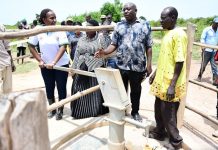
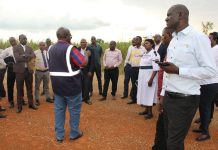
A section of 150 women under the umbrella of EACOP Host Community Association in Kikuube district have laid a ground for a pilot modern farming horticulture project.
The central objective is to combat the growing threat of climate change including food security and loss of livelihoods. Not all of them were directly affected by the EACOP, according to their leaders.
“Of course we expect more climate change effects due to the growing population and direct oil activities. We are already unable to predict planting seasons and that is why we requested partners to support us before it is too late,” says Ms Penina Muhairwe, the women’s leader.
“We also felt that we can tap into the population attracted by the oil industry through selling vegetables in Kiziramfumbi town. We cannot continue lamenting about delayed compensation and under valuation. We want to look at how best we can face other challenges anticipated including floods and droughts. We can achieve this through lobbying from different well-wishers,” she adds.
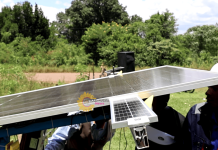
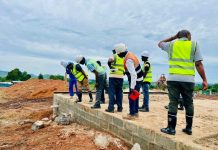
By Friday last week, the pilot project site was ready for planting crops and installation of a 5,000 litre water tank.
They expect the project to be functional by July this year to test their skill and capability of supplying vegetables on the market.
Mr Balach Bakundane, the Programme Officer at Africa Institute for Energy Governance (AFIEGO), says the project dubbed PERMALAB is being implemented with support from Albert Hofmann Institute for Physiochemical Sustainability.
“During our community engagements last year, these women highlighted the need for support to adopt modern farming where irrigation is applied to start commercial production and ensure food security. We contacted our partners and secured some funds to pilot it so we can see how it will be expanded to other community members,” he says.

According to him, the project design also considers establishment of a one million-litre underground water tank that will be used to harvest and store rain water.
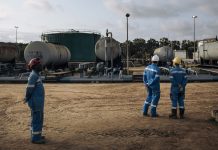
“Scientists say underground tanks help to mitigate the effects of drought as well and control flooding. Given resources, we want this idea to be expanded since there is no doubt that oil developments are escalating climate change both directly and indirectly,” the Programme Officer adds.
Mr Bakundane continues that the project aims to create a change amongst the oil projects affected persons through agriculture.


[…] AHI is proud to partner with the dedicated EACOP Host Community Women and their commitment to a better future. More information about this inspiring project can be found in this newspaper article. […]
[…] Einsatz für eine bessere Zukunft. Weitere Informationen über dieses inspirierende Projekt sind in diesem Zeitungsartikel zu […]